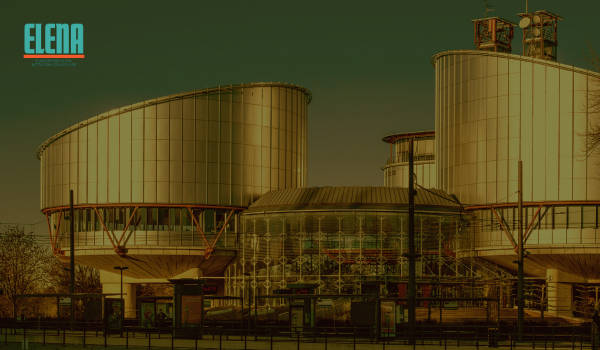
On 24 September 2026, the European Court of Human Rights (ECtHR) delivered its judgment in A.M. and Others v. Greece, concerning the reception and living conditions of several asylum applicants accommodated in different facilities in Greece.
The Court reiterated that asylum applicants constitute a particularly vulnerable group requiring special protection and that the conditions of their detention must be compatible with human dignity. It further held that the assessment of ill-treatment under Article 3 ECHR must take into consideration all the circumstances of the case including the duration and effects of the treatment and the personal circumstances of the individuals concerned.
Relying on its previous case-law, the Court found that the applicants who had stayed in Ritsona camp and in the Moria Reception and Identification Centre on Lesvos, had been subjected to extremely poor living conditions and therefore found a violation of Article 3 ECHR. By contrast, it rejected the complaints concerning certain other facilities and it held that the applicants had not sufficiently substantiated their individual circumstances or shown that the conditions reached the minimum level of severity required under Article 3.
It also rejected the Government’s objections concerning the non-exhaustion of domestic remedies, finding that it had not demonstrated the existence of an effective remedy accessible in practice, capable of addressing the applicants’ complaints concerning inadequate reception conditions.